Childhood Issues & Adult Patterns
The environments we grow up in often become the first place we learn what relationships, safety, love, conflict, trust, and even our own worth are supposed to feel like. For adults who grew up in dysfunctional, unpredictable, emotionally unavailable, highly critical, or addicted families, some of the traits associated with Adult Children of Dysfunctional Families (ACDF), also known as Adult Children of Alcoholics (ACA), can continue long after childhood has ended. We may become approval-seeking and overly concerned about disappointing others, have difficulty trusting people, avoid conflict or become highly reactive to it, take excessive responsibility for other people's feelings and problems, or struggle with boundaries and knowing when it is acceptable to say no. These patterns often began as reasonable ways of adapting to the environment around us, but in adulthood they can quietly influence whom we choose, what we tolerate, how we respond to criticism, how close we allow others to become, and how we protect ourselves when relationships feel uncertain.
The purpose of exploring childhood isn't to remain stuck in the past or assign blame for everything happening today. It is to recognize that some of our adult reactions may be old solutions to problems we no longer have. Through UNpsych, we begin to UNcover the experiences and family patterns that shaped us, UNderstand why certain reactions became protective or necessary, UNlearn the beliefs and survival patterns that no longer serve our adult lives and relationships, and Become increasingly able to choose how we want to think, respond, connect, set boundaries, and live today.
KEY TO BOXES BELOW: 🔓 Unlocked Open Now and 🔒Locked as Member Resources
Unlock the Complete UNpsych Member Library, Become a Member - $19.99 per month or $199 per year
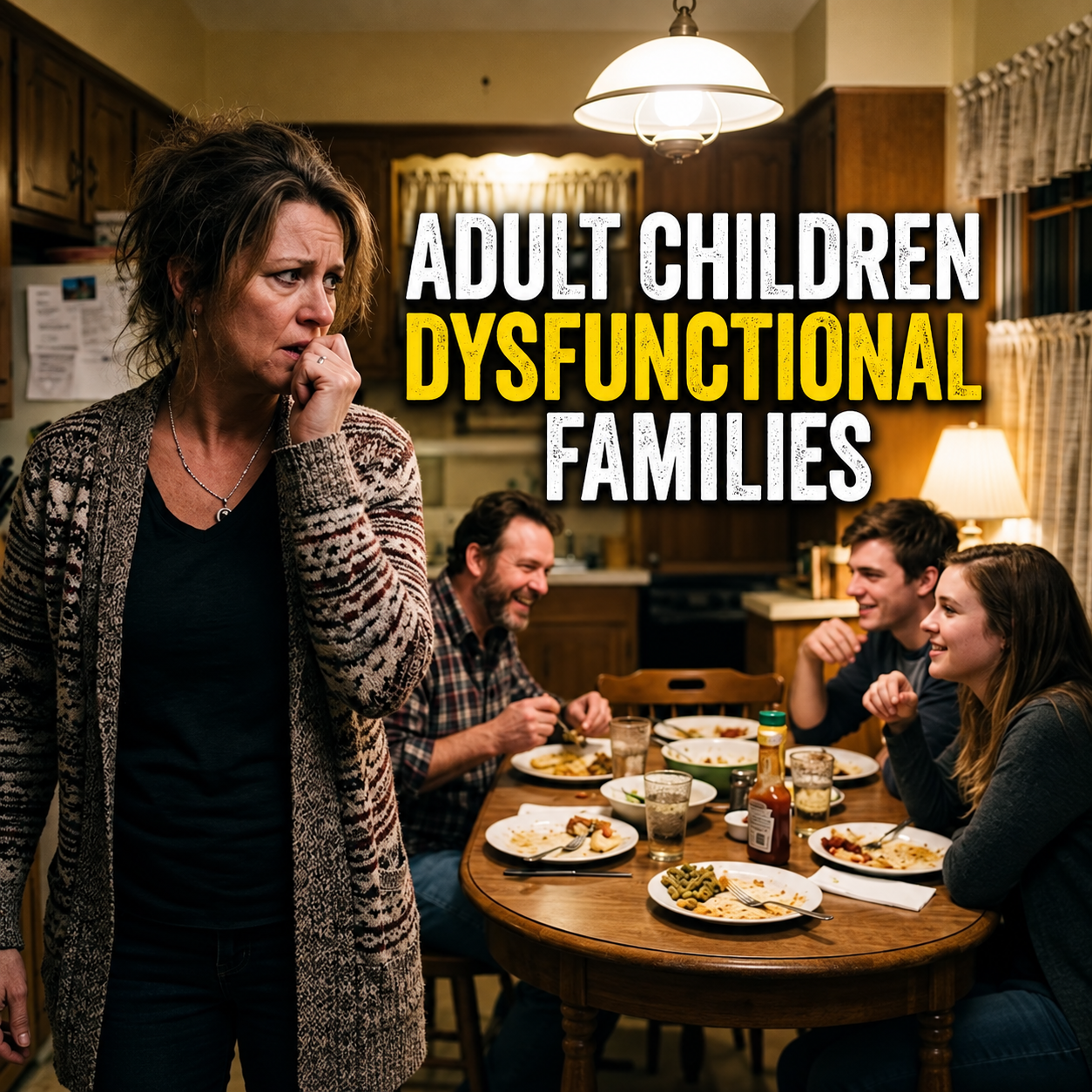
ACDF / ACA - Articles
Explore articles that look more closely at the ways childhood experiences can continue to influence adult emotions, boundaries beliefs and relationships.
Trait 1 - Abandonment
Trait 2 - Trust
Trait 3 - Responsible yet neglectful to self
Trait 4 People Pleaser
Trait 5 - Stuff Emotions
Trait 6 - Black & White Thinking
Trait 7 - Vulnerability

Specific Trait Articles
Trait 8 - Addictions
Trait 9 - Boundaries
Trait 10 - Self-Esteem
Trait 11 - Dysfunctional Relationships
Trait 12 - Deserving of Relaxation
Trait 13 - Victim Mindset
Trait 14 - Identity Disconnect
Trait 15 - Defiance
Trait 16 - Feeling Guilty
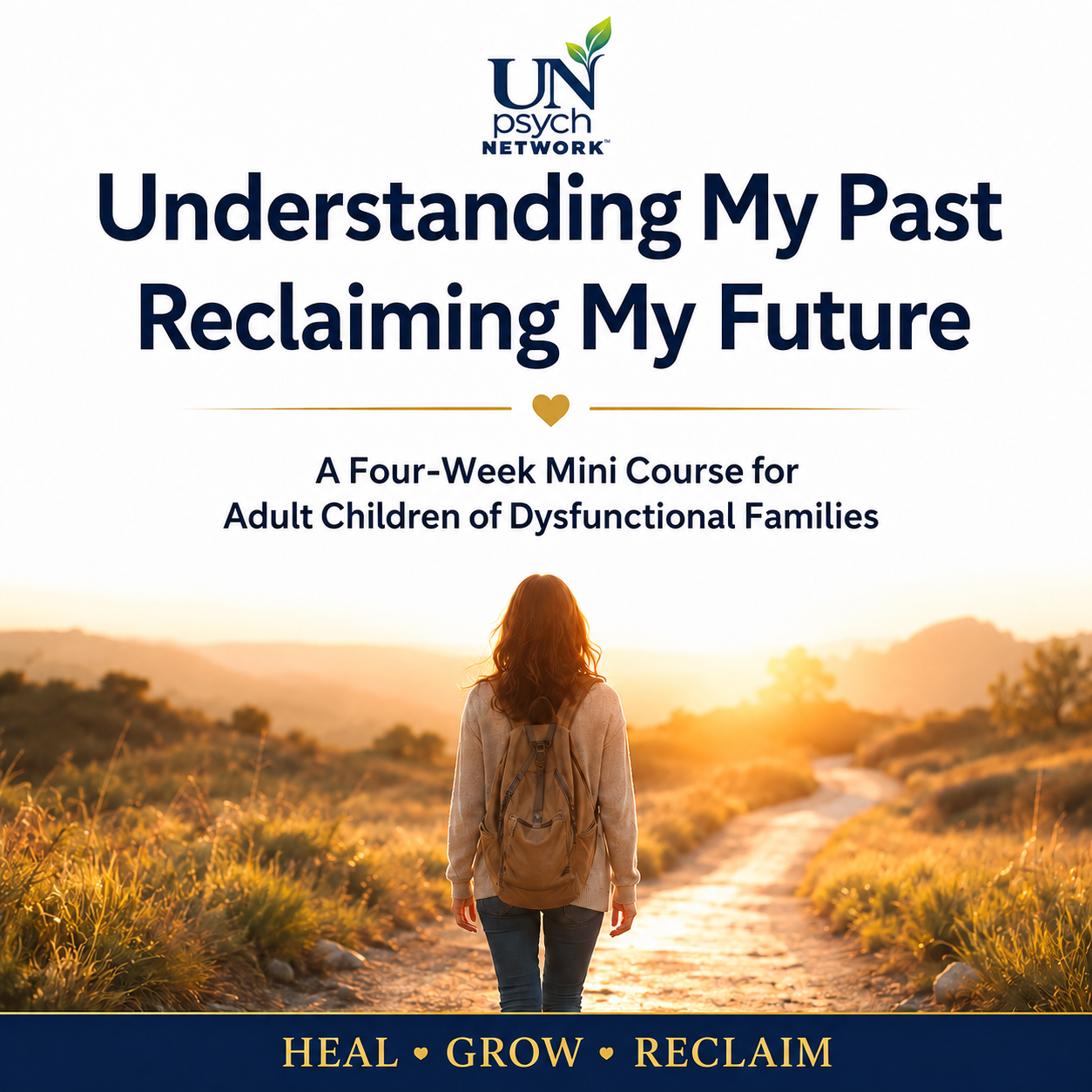
ACDF Mini-Course
The course asks for something that can initially feel uncomfortable: the courage to become curious about yourself. Instead of asking, “What is wrong with me?” you begin asking, “Where did this pattern come from? What was it trying to accomplish? Does it still serve me? And what would I like to choose instead?” Healing does not require erasing the past. It means understanding how the past helped shape your compass, recognizing when that compass is still pointing you toward old protections, and gradually learning to navigate by a new one.
Trait 17 - Isolate Dissociate

ACDF Assessment
Cognitive Behavioral Therapy (CBT) is very effective in changing thinking patterns.
Inner-Child Therapy
Learn about Inner-Child Therapy - Tools for healing and change.
Reparenting
Reparenting through CBT, DBT, EFT approaches. How to recognize healthy people and create a safe life.
© 2026 UNpsych Network - All Rights Reserved